In recent years, the name semaglutide has moved from obscure medical journals into everyday conversations, especially around diabetes management and weight loss. But what exactly is this powerful drug? How does it work, and why is it getting so much attention?
Semaglutide is a medication that mimics the function of a natural hormone in the body called GLP-1—short for glucagon-like peptide-1. While not a hormone itself, semaglutide belongs to a class of drugs known as GLP-1 receptor agonists. These drugs imitate the role of GLP-1 and help the body regulate blood sugar, manage appetite, and promote weight loss.
What Is GLP-1, and Why Does It Matter?
GLP-1 is a hormone produced in the gut after eating. Its job is to help manage blood sugar levels. It does this in several ways:
- It stimulates the pancreas to release insulin when blood sugar is high.
- It suppresses glucagon, another hormone that raises blood sugar.
- It slows gastric emptying, meaning food leaves the stomach more slowly.
- It sends signals to the brain to increase feelings of fullness and reduce hunger.
In people with type 2 diabetes, the body either doesn’t produce enough GLP-1 or doesn’t respond to it properly. That’s where semaglutide comes in—it steps in to fill the gap.
From Lab to Life: The Role of Semaglutide
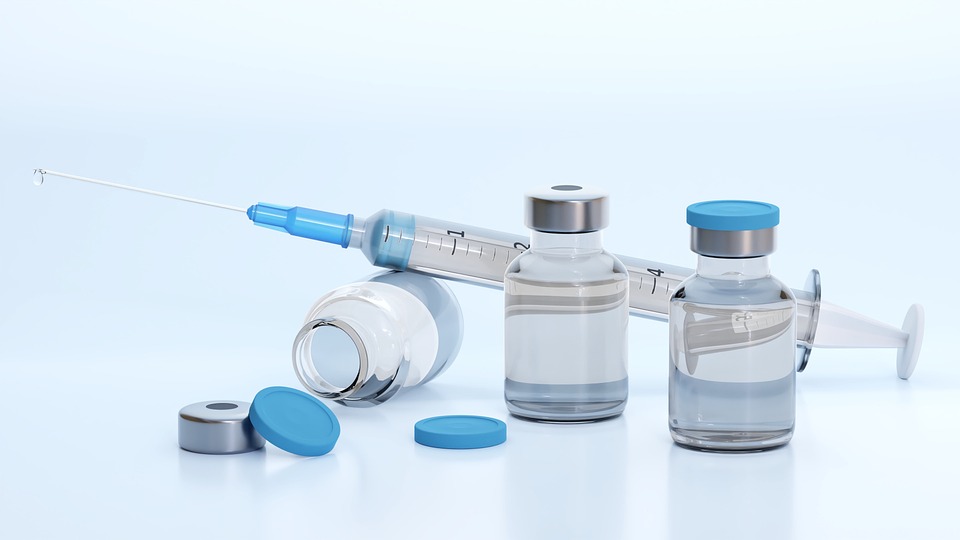
Semaglutide was developed to imitate the effects of GLP-1 but with longer-lasting action. Natural GLP-1 breaks down quickly in the body, often within minutes. Semaglutide, however, is designed to last longer—enough for a once-weekly injection to provide steady benefits.
The drug is available under several brand names, depending on its use:
- Ozempic is used primarily for type 2 diabetes.
- Rybelsus is the oral version of semaglutide, taken daily.
- Wegovy is approved specifically for chronic weight management.
These medications have opened up new possibilities for people struggling with type 2 diabetes or obesity—conditions that often go hand in hand.
Not Just a Blood Sugar Drug: A Game-Changer for Weight Loss
One of the most talked-about features of semaglutide is its impact on body weight. In clinical trials, patients using semaglutide lost significantly more weight than those using placebo or other treatments. In fact, it is considered one of the most effective non-surgical treatments for obesity today.
The weight loss comes from a combination of effects:
- People feel full faster and for longer periods.
- Their appetite decreases, leading to fewer calories consumed.
- Slower digestion helps regulate the way the body uses energy.
It’s no surprise, then, that celebrities, wellness influencers, and everyday individuals have taken notice. However, semaglutide is a prescription drug, and it should only be used under the supervision of a healthcare provider.
The Health Benefits Go Beyond Looks
While the weight-loss effects make headlines, the health benefits of semaglutide run deeper. For people with type 2 diabetes, it helps lower HbA1c levels (a marker of long-term blood sugar control). It also reduces the risk of heart attacks and strokes, which are more common in people with diabetes.
In clinical trials, patients taking semaglutide had lower rates of cardiovascular problems than those on traditional treatments. That’s a big deal in a world where diabetes-related heart issues are a leading cause of death.
Potential Side Effects and Considerations
Like all medications, semaglutide comes with side effects. The most common include:
- Nausea
- Vomiting
- Diarrhea or constipation
- Headache
- Fatigue
Most side effects are mild and go away over time. However, some people may experience more serious problems, such as pancreatitis (inflammation of the pancreas) or thyroid tumors—though these are rare.
It’s also important to note that semaglutide is not insulin. It doesn’t replace insulin in people with type 1 diabetes and may not be suitable for everyone. Always consult with a doctor before starting treatment.
A New Era in Metabolic Medicine
In the fight against diabetes and obesity, semaglutide is proving to be a powerful ally. By acting like the body’s own GLP-1 hormone, it helps people gain control over blood sugar, appetite, and body weight in ways that older medications couldn’t.
As more studies emerge and long-term effects are understood, semaglutide may pave the way for a new generation of treatments that not only manage disease—but transform lives.
Semaglutide’s hormone-like action has made it one of the most promising drugs in modern medicine. Whether it’s helping a patient with diabetes manage their blood sugar or aiding someone on a weight loss journey, this medication shows how science can harness the body’s natural systems to heal and restore balance.
Never Miss a Story: Join Our Newsletter