A Historic Bond Under Strain
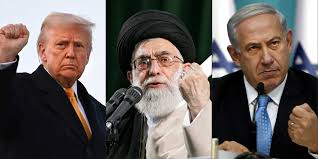
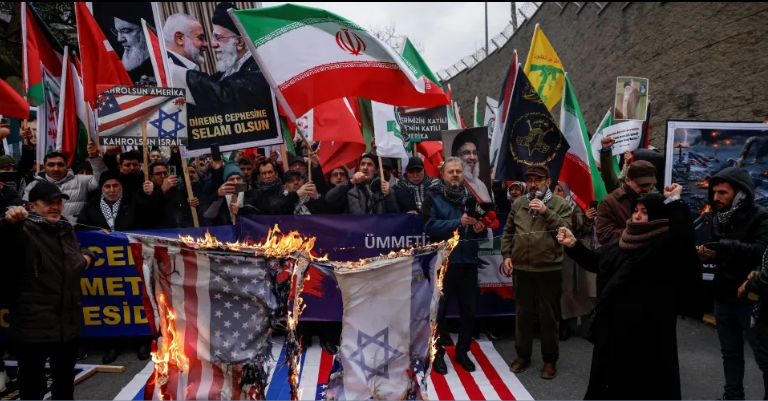
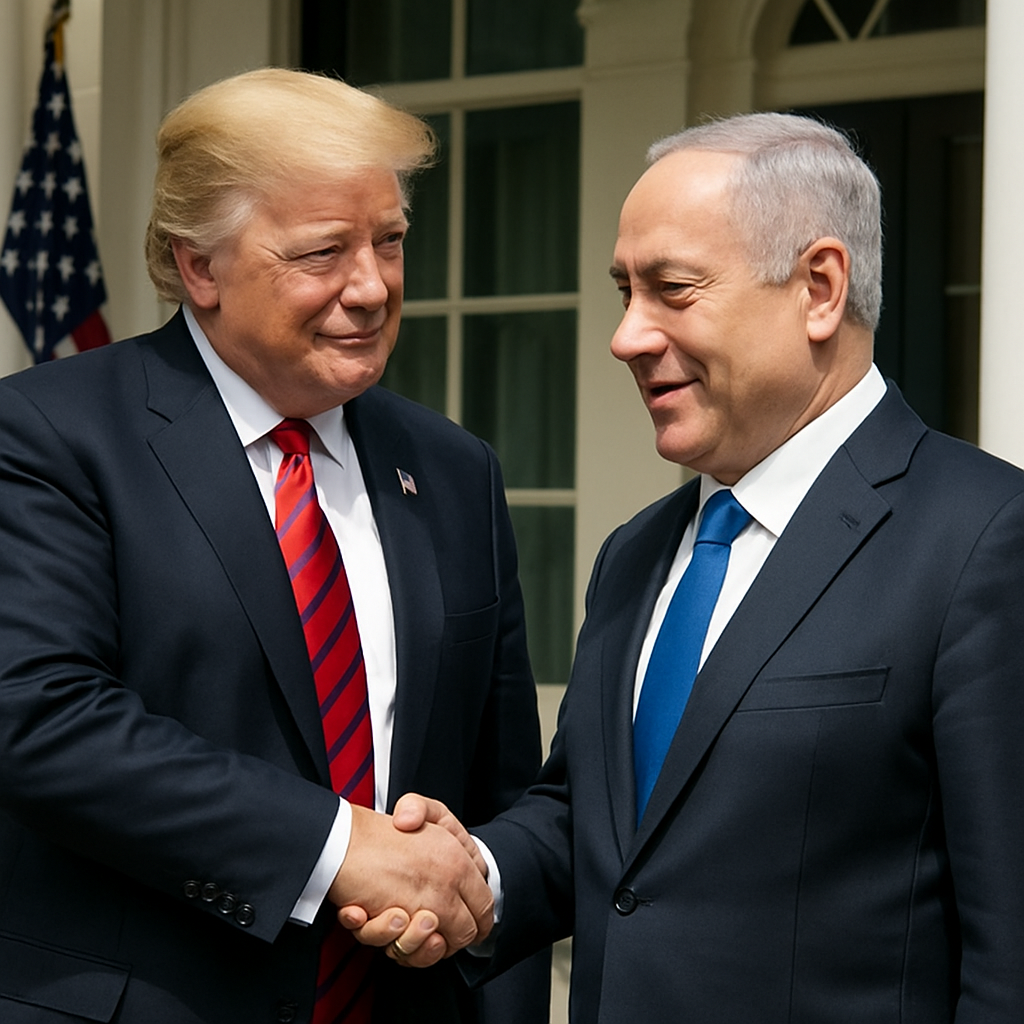
For decades, the Israel–US relationship has been a cornerstone of American foreign policy in the Middle East. From generous military aid to unwavering diplomatic support, Israel has often been treated as a privileged ally by both Democratic and Republican administrations. This is especially true during Benjamin Netanyahu’s long political tenure, where he positioned himself as a key influencer in Washington. However, recent developments during President Donald Trump’s second term have challenged this dynamic.
Despite Netanyahu’s public embrace of Trump as Israel’s greatest ally, the American president has increasingly sidelined him on key Middle East issues. This quiet but consequential shift in the Israel–US relationship is stirring anxiety within the Israeli political establishment and raising serious questions about the future of their strategic alliance.
Trump’s Middle East Tour: A Strategic Snub?
President Trump’s recent decision to skip Israel during a high-stakes tour of Saudi Arabia, Qatar, and the UAE has raised eyebrows in Jerusalem. Unlike past US presidents who made symbolic stops in Israel to reaffirm ties, Trump’s itinerary signals a recalibration of priorities. His administration is now more focused on economic diplomacy with Gulf monarchies than on affirming Israel’s centrality in the region.
This omission is not an isolated event. It is part of a larger pattern in which Trump has pursued direct talks with Iran and Hamas — traditionally Israel’s arch-foes — without consulting Israeli leadership. Notably, his announcement of a ceasefire with the Iranian-backed Houthi rebels, which excluded Israel from its provisions, has only intensified these concerns.
Read Also: Zelenskyy Wants Trump to Join Proposed Peace Talks with Putin in Istanbul
The Iran Factor: An Increasingly Isolated Israel
One of the most glaring signs of strain in the Israel–US relationship is Trump’s handling of Iran. Netanyahu has spent more than a decade lobbying Washington to maintain a hardline stance, including the possibility of military intervention. Yet in a public Oval Office moment, Trump blindsided Netanyahu by declaring that the US would hold direct talks with Tehran over its nuclear ambitions.
The reaction in Israel was one of visible discomfort. Analysts and former diplomats like Michael Oren and Dennis Ross noted that Israeli concerns appear to be either disregarded or actively dismissed by the current US administration. Trump’s economic-first foreign policy framework stands in contrast to Israel’s focus on security and existential threats, especially concerning Iran’s nuclear potential.
Hostage Talks and Hamas: A Diplomatic Red Line?
Further aggravating Israeli anxieties, the US recently engaged in direct negotiations with Hamas to secure the release of a dual-national hostage — again without Israel’s knowledge. For a government that categorically rejects any legitimization of Hamas, this maneuver was viewed not just as a policy divergence but as a diplomatic betrayal.
Opposition leaders in Israel, including Yair Lapid, have seized on these developments to criticize Netanyahu’s handling of the alliance. Lapid called the hostage talks “a disgraceful diplomatic failure,” emphasizing that the US is moving forward without Israel on multiple fronts — including deals with Iran and Saudi Arabia — while Netanyahu appears increasingly sidelined.
MAGA and the Right-Wing Rift: Not All Republicans Are Pro-Israel
What’s particularly striking is that the growing chill in the Israel–US relationship is happening under a Republican president, traditionally the political party most aligned with Israel. However, influential voices within Trump’s MAGA movement are now expressing skepticism toward Netanyahu and Israeli policies.
A Trump adviser, speaking anonymously, noted that “in MAGA, we are not Bibi fans,” suggesting that Trump’s America First doctrine is incompatible with the expectations of Israel’s political elite. Former national security officials like Michael Waltz, who were viewed as too close to Israeli interests, have been removed from key posts.
Even in Congress, where Israel has long counted on bipartisan support, a new wave of Republicans — including Trump-aligned figures like Rep. Marjorie Taylor Greene — is beginning to question the extent of American obligations to the Jewish state.
Netanyahu’s Miscalculation: Betting Too Much on Trump
Netanyahu’s political brand has heavily relied on his image as the consummate dealmaker with Washington. His campaign tactics — from billboards featuring Trump to promises of moving embassies and annexing the West Bank — were calculated bets on his ability to influence American policy.
Yet those bets appear to be unraveling. Netanyahu’s early congratulations to President Biden in 2020, while Trump was contesting the election, is said to have personally offended Trump. Moreover, Netanyahu’s unilateral push to annex West Bank territory in 2020 undermined the Trump administration’s own peace plan and contributed to a rift in their relationship.
A Strategic Shift or a Temporary Rift?
Despite these tensions, it would be premature to declare a permanent rupture in the Israel–US relationship. Israel continues to receive substantial US military aid, and key sectors within both governments remain aligned on security and intelligence cooperation. Trump’s administration has not pressured Israel on humanitarian issues in Gaza the way the Biden administration did, which some in Netanyahu’s circle view as a form of continued support.
However, perception matters in international politics. Netanyahu’s domestic critics argue that his overreliance on a personal connection with Trump — rather than building bipartisan support in Washington — has backfired. Amit Segal, an Israeli political analyst, put it succinctly: “We put all our eggs in one basket, and now we are empty-handed.”
Read Also: Skepticism and Fragile Hope as PKK Announces Disbandment After Decades of Conflict
A Relationship Redefined
The current Israel–US relationship under Trump’s second term is being reshaped not by outright hostility but by indifference and recalibration. Trump’s transactional, economy-driven foreign policy has deprioritized Israel in favor of Gulf partnerships and broader regional deals. While Netanyahu’s government tries to downplay the fallout, the signs are clear: Israel can no longer assume its centrality in American Middle East policy.
In the months ahead, both sides will need to adjust to this new reality. For Israel, that may mean cultivating broader alliances beyond the White House — and accepting that its most “pro-Israel” American president might not be its most reliable partner after all.
Never Miss a Story: Join Our Newsletter